


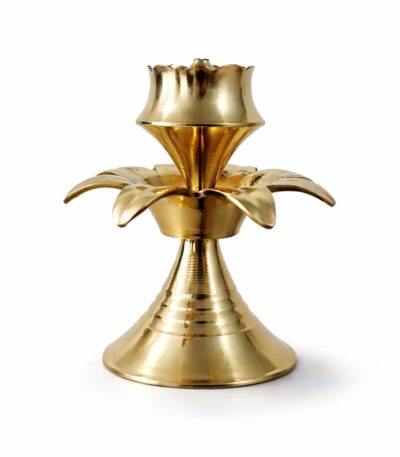
Agarbatti Holder (Brass)
The Brass Agarbatti Holder is a beautifully crafted accessory designed to safely hold incense sticks during pooja, meditation, and spiritual rituals. Made from durable brass with a classic traditional design, it adds a touch of elegance and devotion to your home temple, altar, or prayer space.
This holder keeps incense sticks steady while collecting ash neatly, ensuring a clean and safe way to enjoy the soothing fragrance of agarbatti. Its timeless brass finish complements any spiritual setting and enhances the overall devotional atmosphere.
Perfect for daily prayers, meditation sessions, and festive rituals.
Spiritual Significance
Burning Agarbatti (incense sticks) during prayers is considered a sacred offering in many spiritual traditions. The fragrant smoke symbolizes devotion, purification, and the uplifting of prayers toward the divine.
The Brass Agarbatti Holder serves as a sacred base for this ritual, helping maintain order and reverence during worship. Brass itself is considered an auspicious metal in spiritual practices and is widely used in temples and pooja items because it is believed to enhance positive energy and spiritual vibrations.

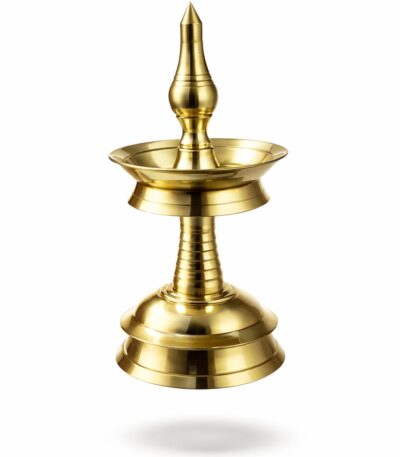
Brass Diya (Vilakku)
The Small Brass Diya / Kuttu Vilakku is a traditional oil lamp that holds deep spiritual significance in Indian culture. Crafted from high-quality brass, this sacred lamp is commonly used in daily pooja, temple rituals, and festive celebrations to invoke divine blessings and create a spiritually uplifting atmosphere.
Lighting a brass diya symbolizes the victory of light over darkness, knowledge over ignorance, and positivity over negativity. Its elegant traditional design makes it perfect for home temples, prayer spaces, and auspicious occasions.
The Kuttu Vilakku, widely used in South Indian traditions, is known for its graceful form and sacred symbolism, making it an essential element of devotional rituals.
Spiritual Significance
In spiritual traditions, lighting a Diya (oil lamp) is considered a sacred act that invites divine energy, prosperity, and peace into the home. The flame of the lamp represents purity, wisdom, and the presence of divine light.
The Kuttu Vilakku holds special importance in South Indian households and temples. It is often lit during poojas, festivals, and special prayers as a symbol of devotion and auspiciousness. The glowing flame is believed to remove negativity, purify the environment, and bring spiritual harmony.
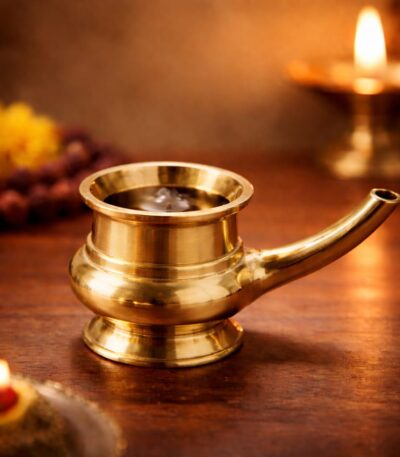

Brass Kindi
The Brass Kindi is a traditional vessel widely used in pooja rituals, temple ceremonies, and sacred offerings. Crafted from high-quality brass with a classic South Indian design, the kindi is used to hold and pour water during spiritual practices, symbolizing purity, life, and divine blessings.
In many households and temples, the kindi plays an important role in rituals such as abhishekam, purification ceremonies, and daily pooja, where water is offered as a sacred element. Its elegant curved spout and traditional form make it both a functional ritual item and a beautiful addition to any spiritual space.
Spiritual Significance
In spiritual traditions, water represents purity, life, and divine energy. The Brass Kindi is used to offer water during rituals, symbolizing cleansing, renewal, and spiritual purity.
Brass is considered an auspicious metal in Indian traditions and is commonly used in sacred vessels and temple utensils because it is believed to retain and enhance positive spiritual vibrations. Using a brass kindi during rituals reflects respect for tradition and helps maintain the sanctity of the ceremony.
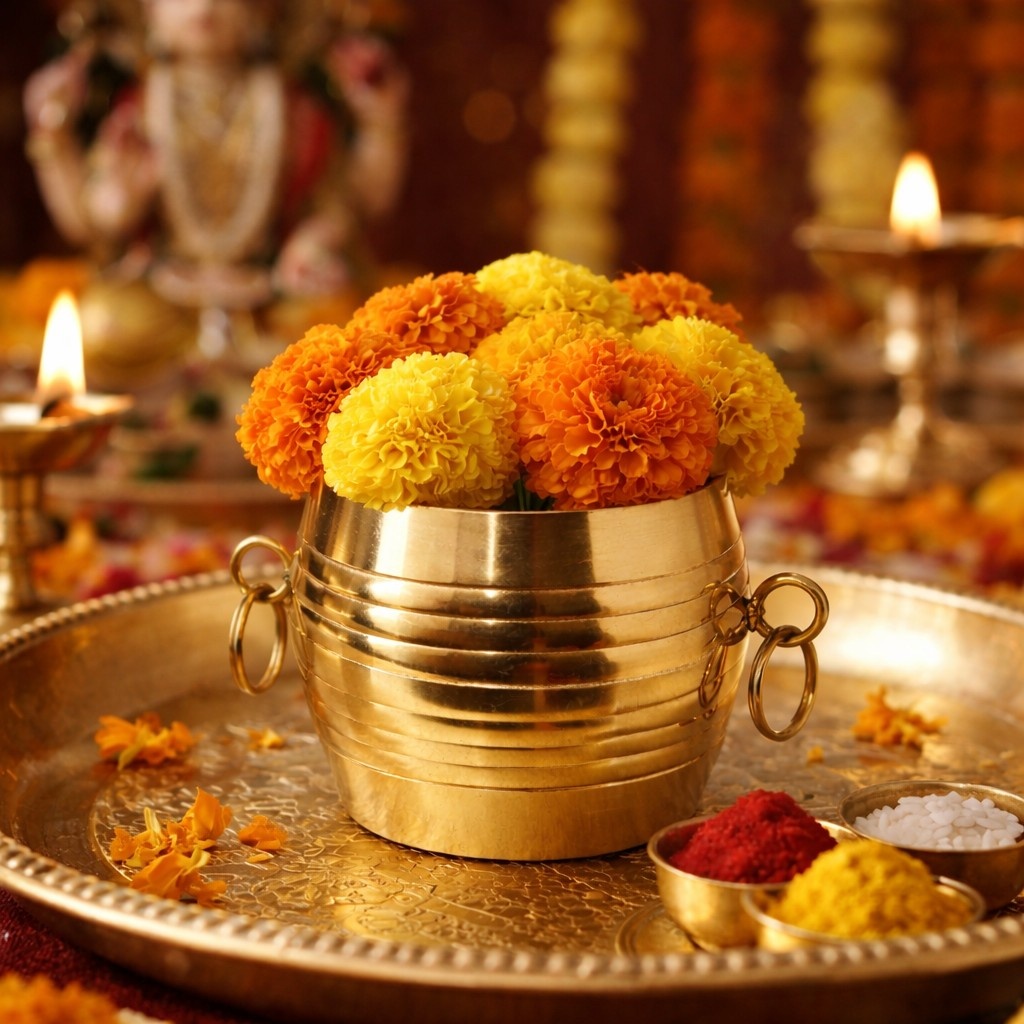
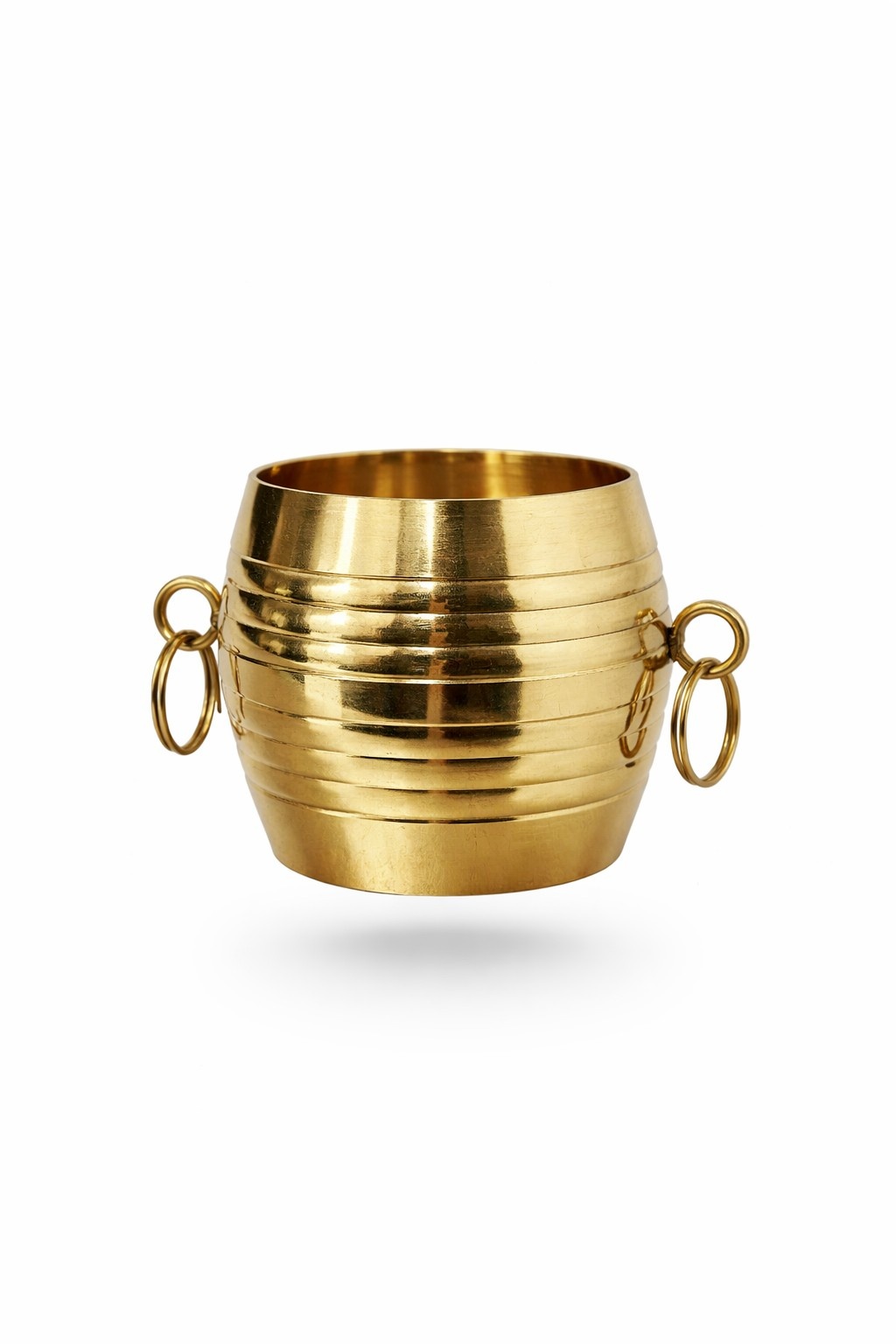
Brass Para (Traditional Measurer)
The Brass Para is a traditional vessel widely used in Kerala’s cultural and spiritual ceremonies. Crafted from high-quality brass, the para holds great significance in temple rituals, festive occasions, and auspicious ceremonies, symbolizing prosperity, abundance, and blessings.
Traditionally, the para is filled with rice, grains, flowers, or fruits and is often placed at the entrance of homes, temples, or ceremonial spaces during important occasions. It is commonly seen during festivals such as Vishu, Onam, weddings, and temple celebrations, where it represents wealth, fertility, and good fortune.
With its rich golden tone and classic design, the Brass Para also serves as a beautiful decorative element that reflects Kerala’s cultural heritage and traditional craftsmanship.
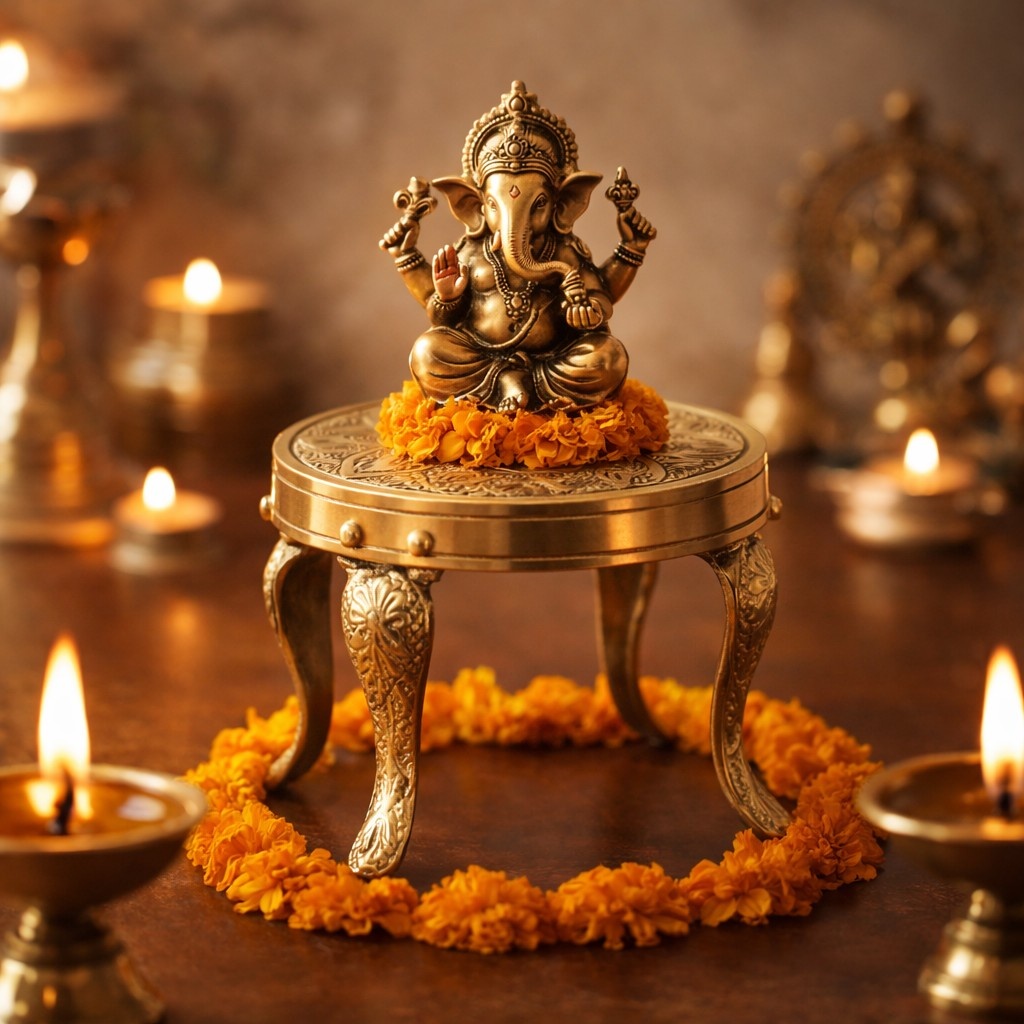
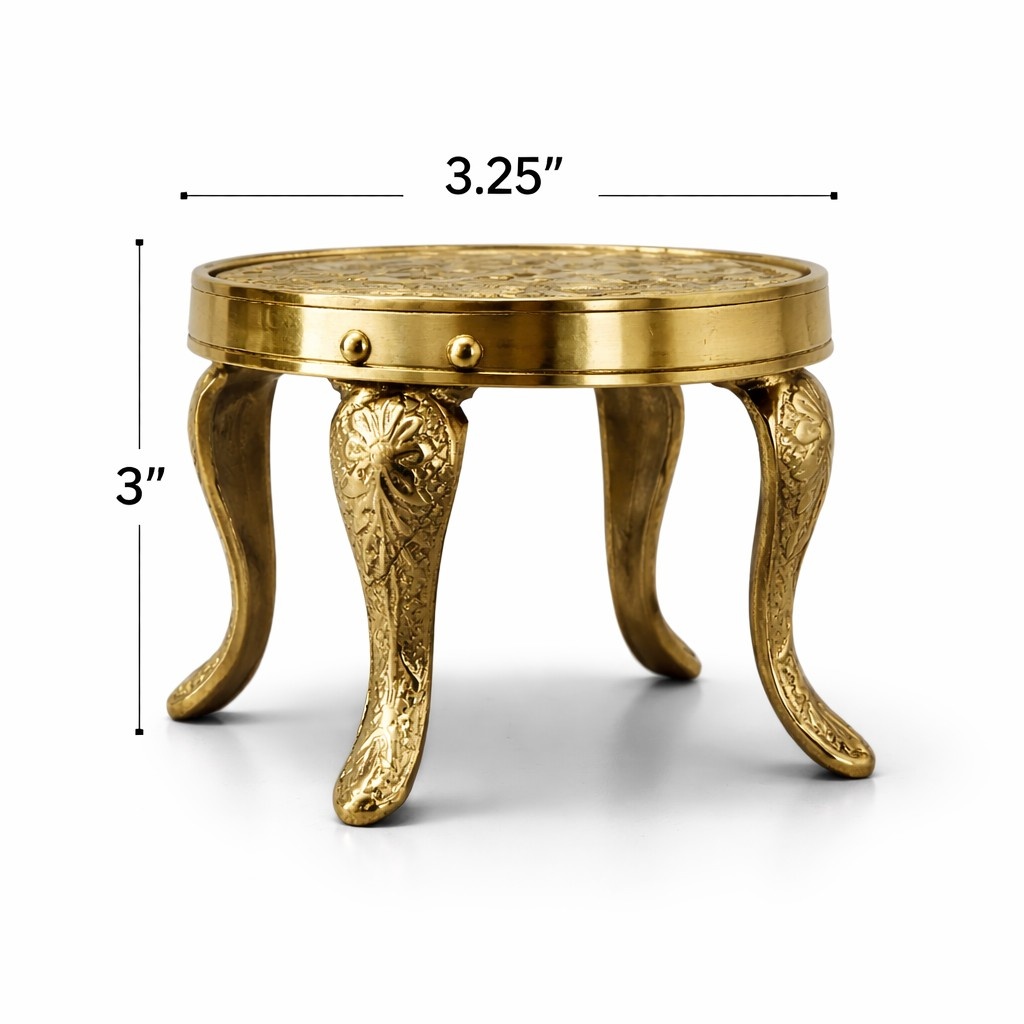
Brass Peedam
The Brass Peetam is a traditional pedestal used in Hindu rituals, pooja ceremonies, and temple practices to place sacred idols, lamps, or pooja items during worship. Crafted from high-quality brass, the peetam provides a stable and elevated platform that enhances the sanctity and prominence of the objects placed upon it.
In spiritual traditions, elevating a deity or sacred object on a peetam (pedestal) symbolizes respect, reverence, and the importance of the divine presence. The rich golden tone of brass adds a touch of traditional elegance and auspiciousness to the pooja setup.
The Brass Peetam is commonly used in home temples, pooja rooms, and ceremonial arrangements, making it an essential accessory for maintaining a structured and sacred worship space.
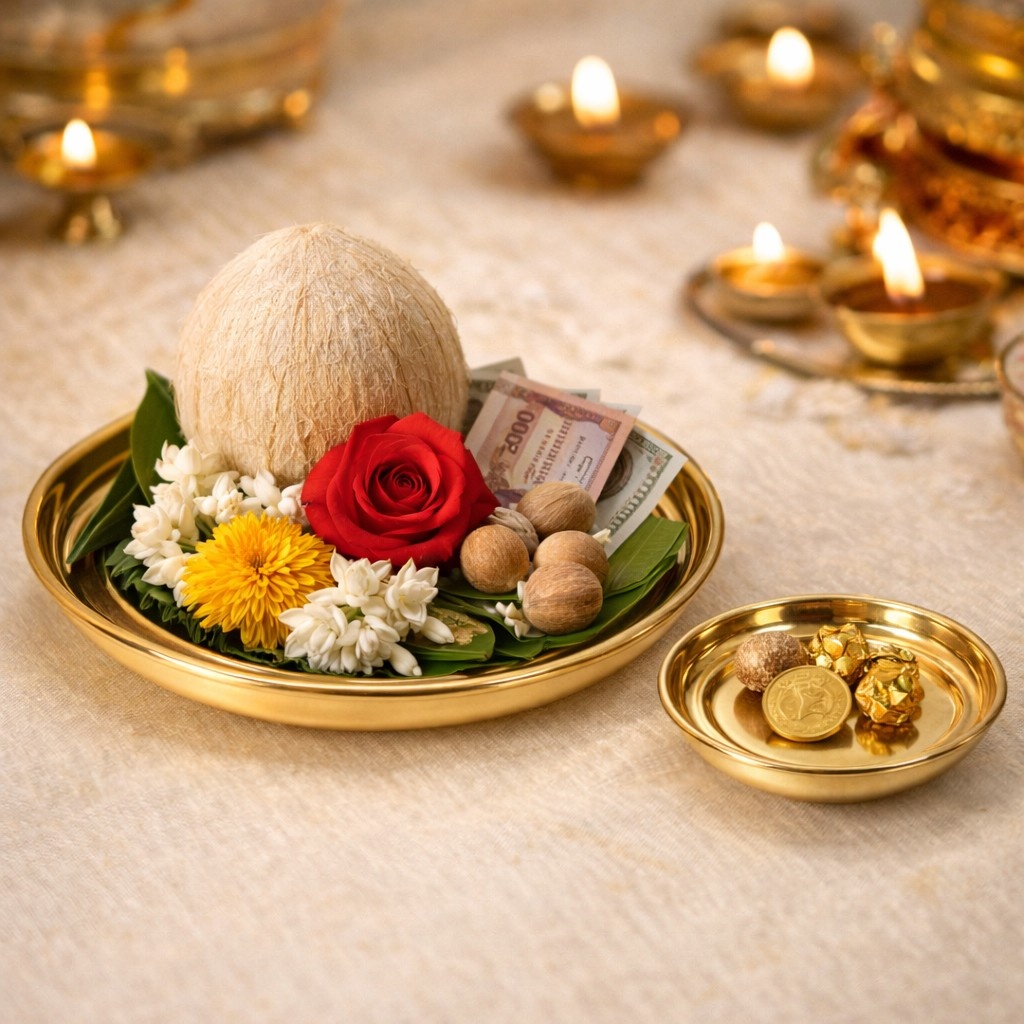
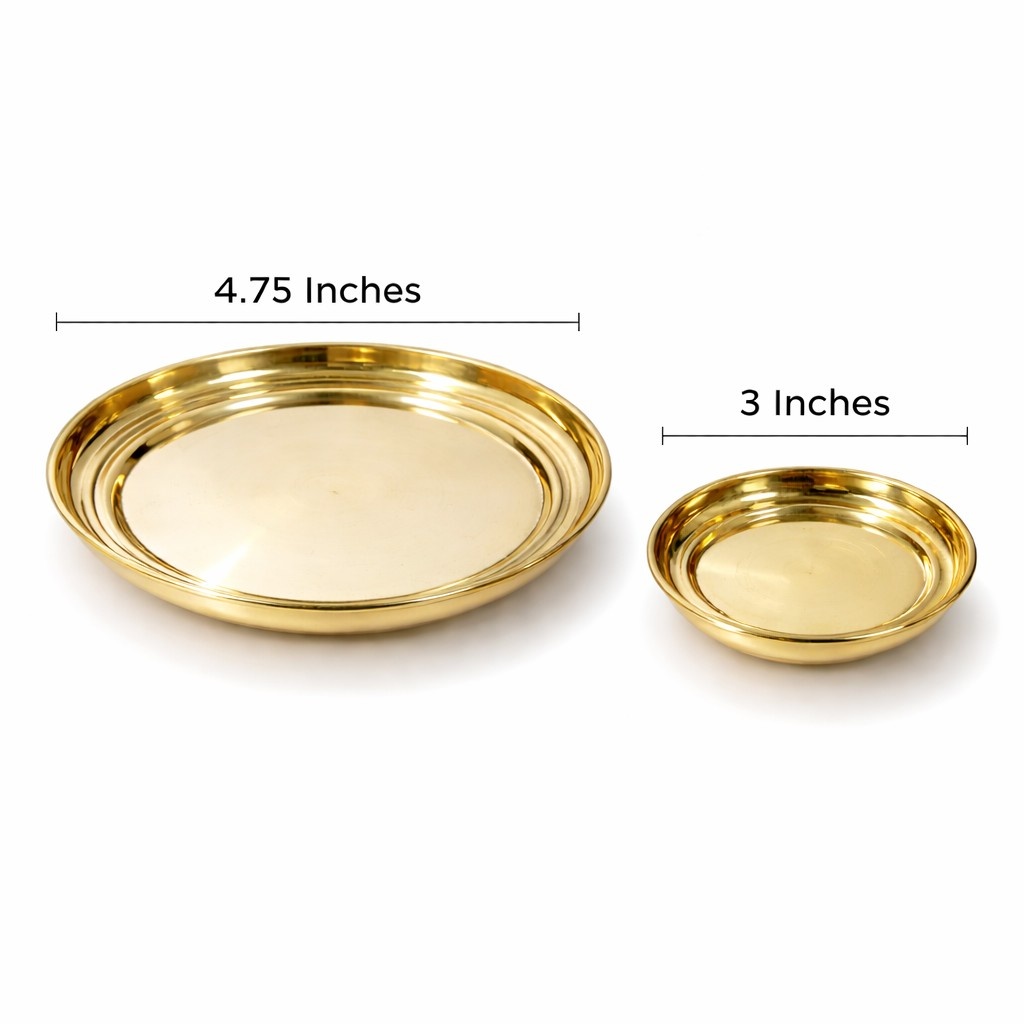
Brass Plate Set (Thambola)
The Brass Thambola Plate is a traditional ceremonial plate widely used in Hindu rituals, weddings, and festive occasions. Crafted from high-quality brass, this plate is commonly used to present betel leaves, areca nuts, fruits, flowers, and other auspicious offerings during religious ceremonies and cultural events.
The Thambola plate holds special significance in many traditional practices, where it is used to offer tambulam (betel leaves and nuts) as a symbol of respect, gratitude, and goodwill. It is often presented to guests, elders, and deities during rituals, weddings, and festive gatherings.
With its classic golden finish and traditional design, the Brass Thambola Plate adds elegance and authenticity to ceremonial arrangements and pooja setups.
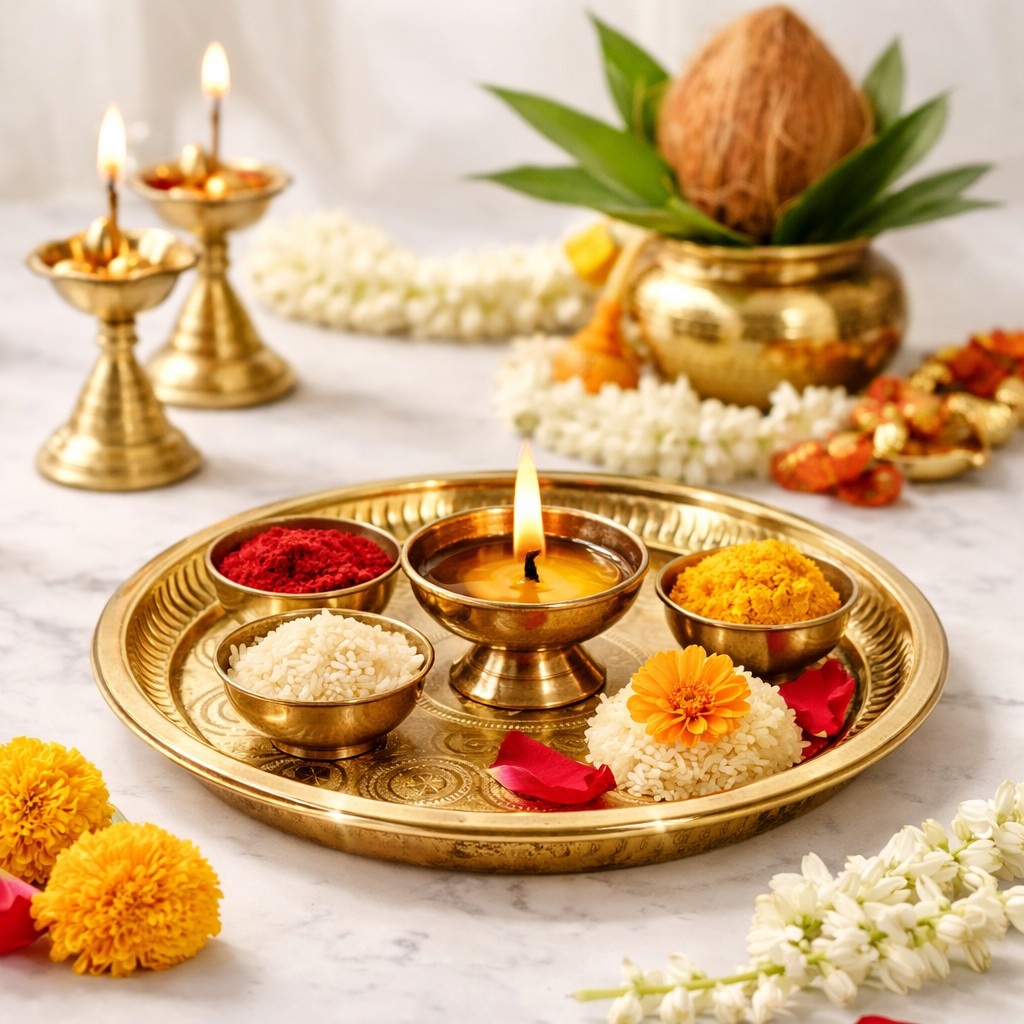

Brass Pooja Plate
The Brass Pooja Plate is a traditional and essential accessory used in Hindu rituals, prayers, and spiritual ceremonies. Crafted from high-quality brass, this plate is designed to hold sacred items such as kumkum, turmeric, flowers, diyas, incense, and other pooja offerings, helping organize the ritual setup with ease and reverence.
Brass has been widely used in temples and homes for pooja items due to its durability and auspicious significance in spiritual traditions. The warm golden tone of the brass plate adds a sense of elegance and sanctity to the pooja arrangement, enhancing the devotional atmosphere during prayers and rituals.
Ideal for daily pooja, festival celebrations, aarti rituals, and temple use, the Brass Pooja Plate is both functional and symbolic, reflecting the timeless traditions of Hindu worship.
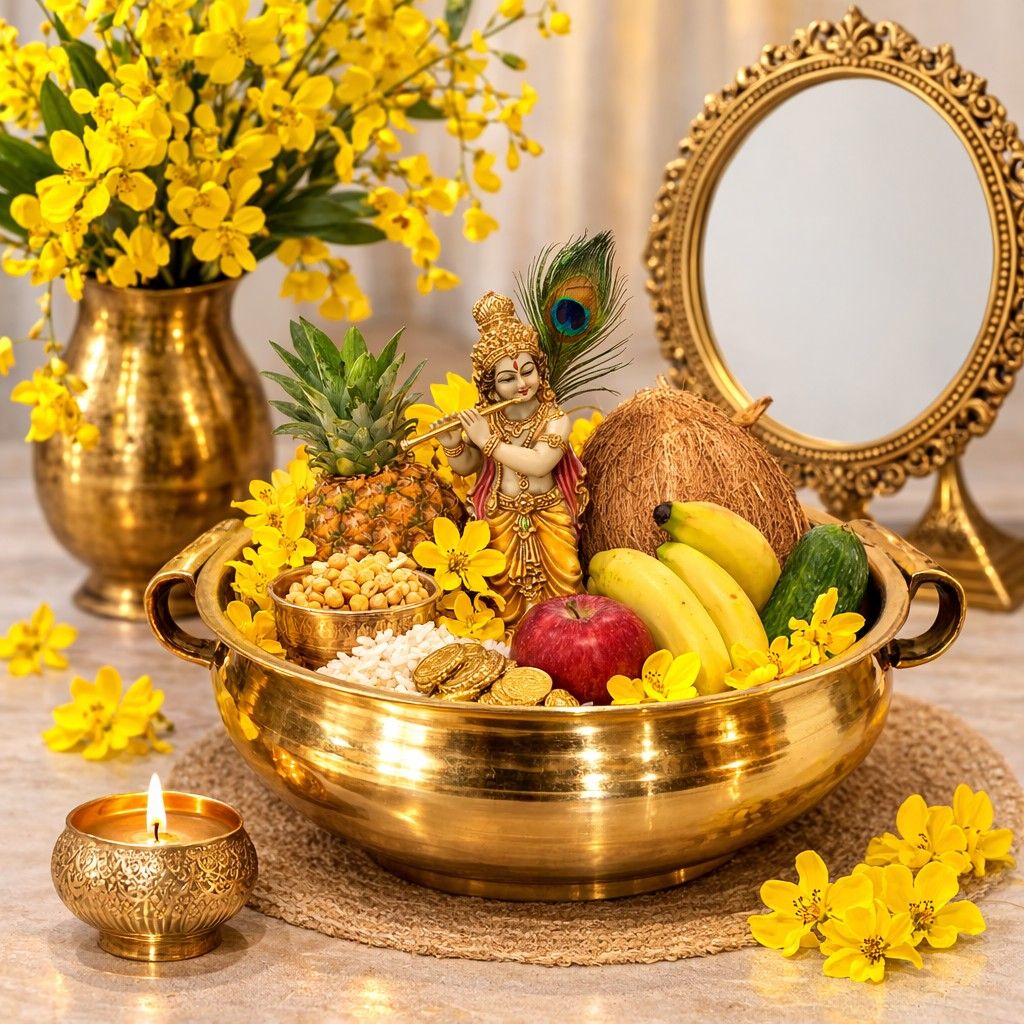
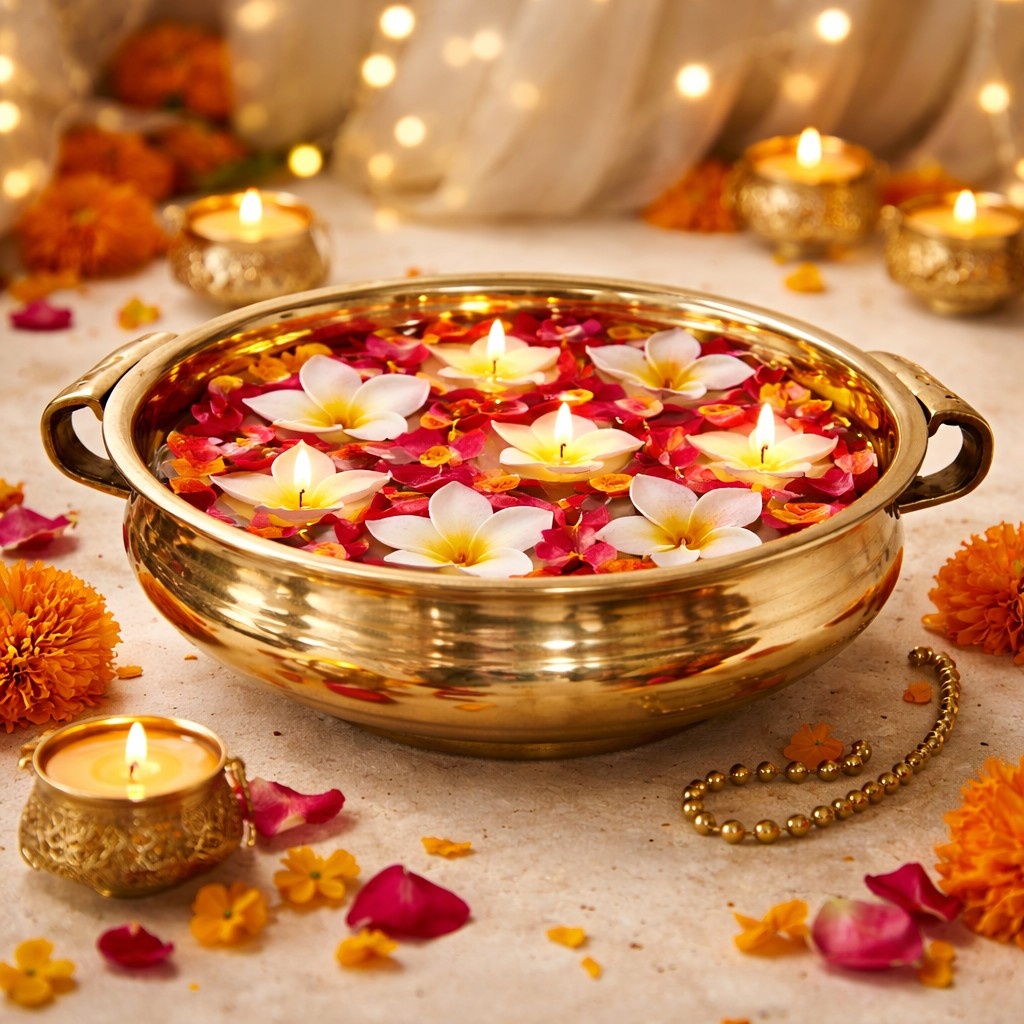
Decorative Uruli
Dhoop Arati
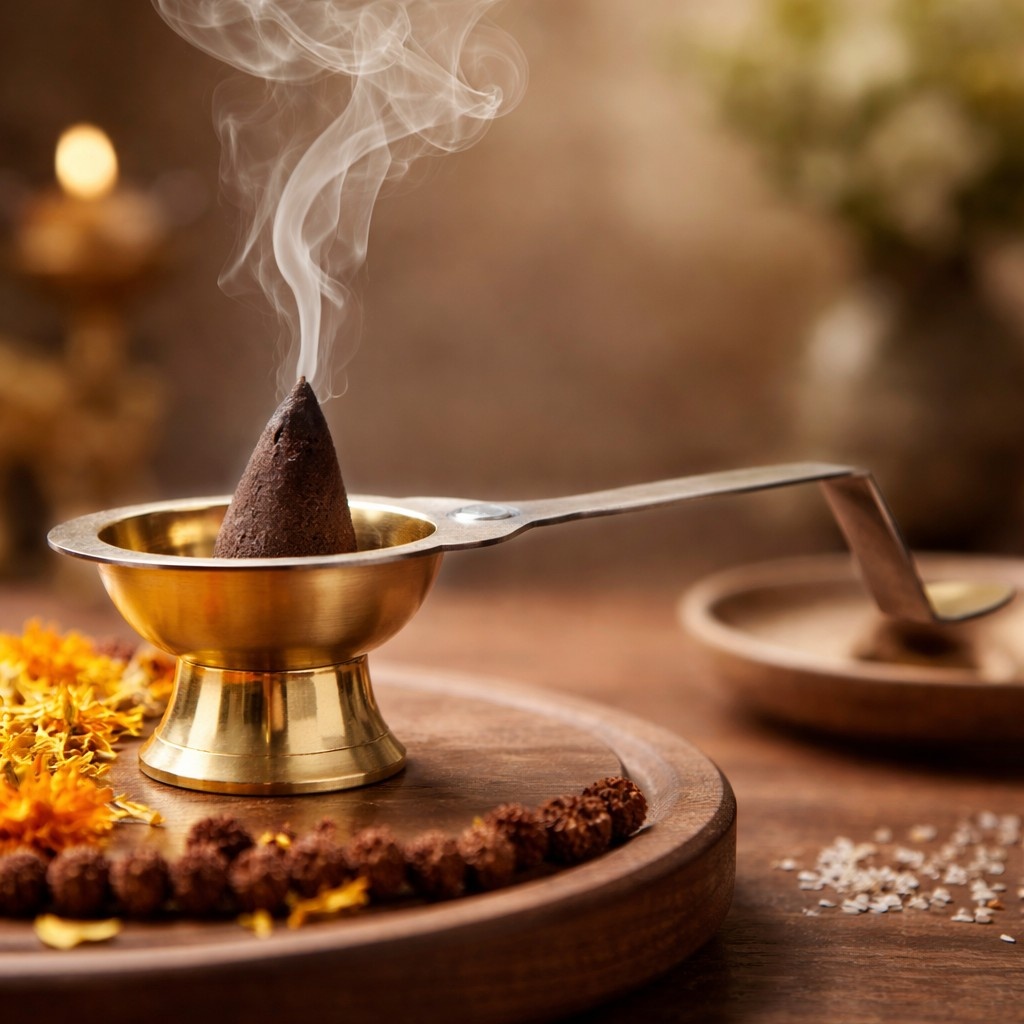
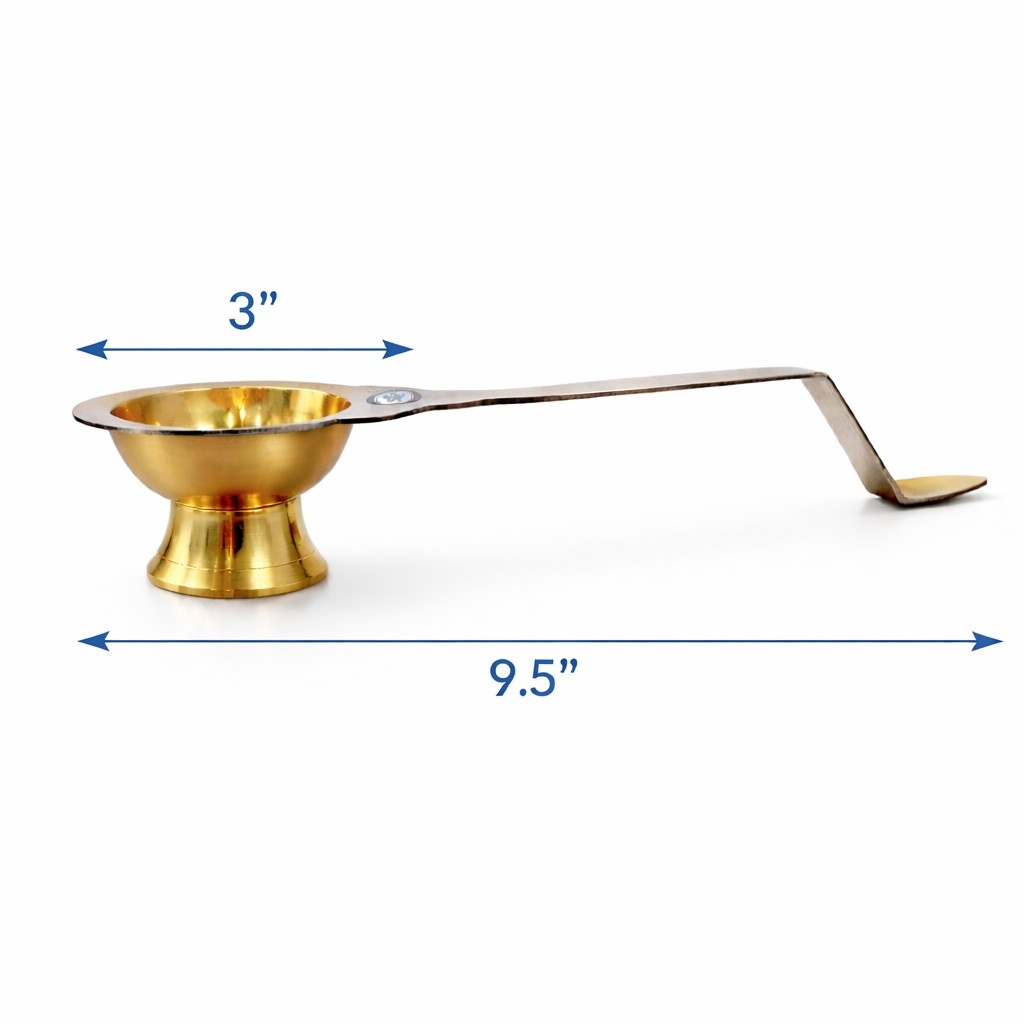
The Dhoop Aarti is a traditional pooja accessory used to burn dhoop (incense resin or dhoop powder) during Hindu rituals and devotional ceremonies. Designed to safely hold burning dhoop, it allows devotees to offer fragrant smoke to the deity as part of aarti and prayer rituals.
Dhoop Aarti is commonly performed in temples and home pooja rooms to purify the surroundings and create a spiritually uplifting atmosphere. The rich aroma of dhoop spreads through the space, enhancing the devotional experience and helping devotees focus during prayer and meditation.
This sacred ritual accessory is widely used during daily pooja, temple ceremonies, and festivals, making it an important part of traditional worship practices.
Gocha Aarti (Gau Aarti)
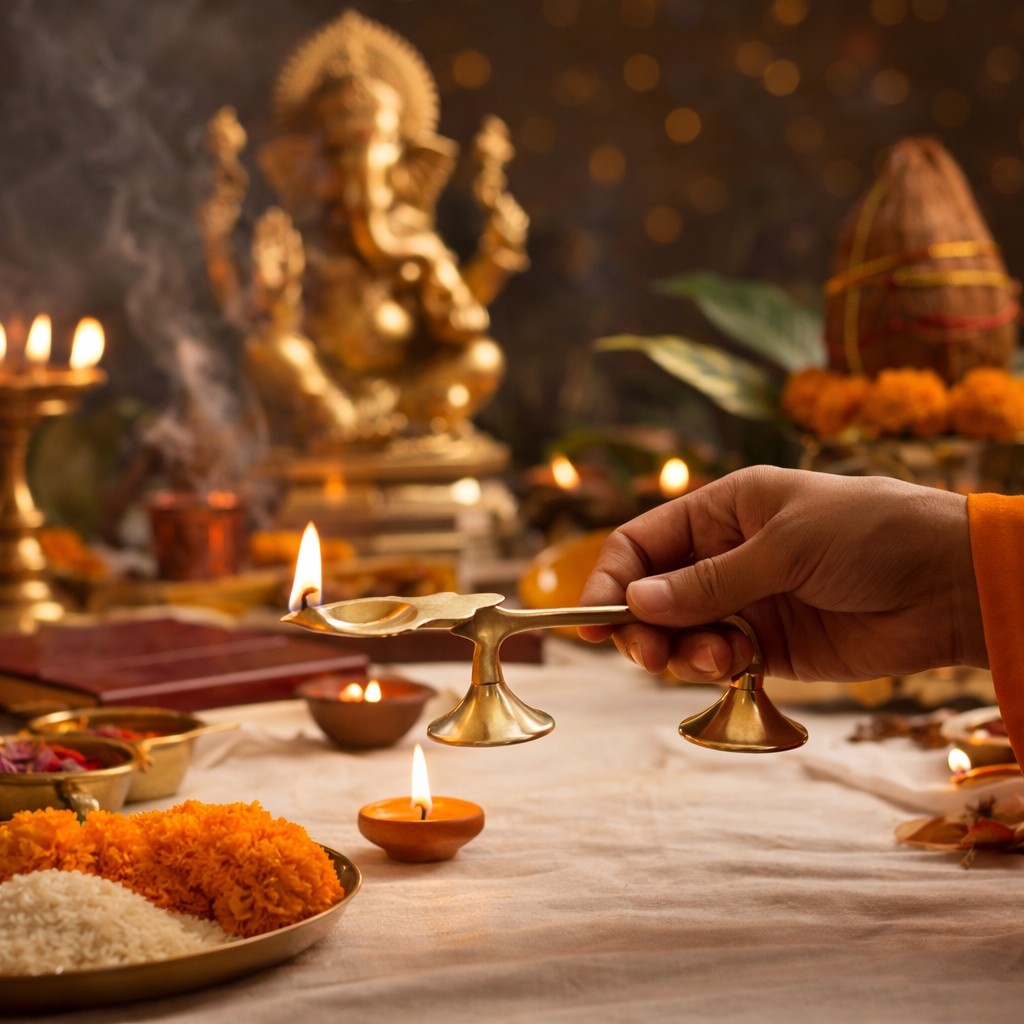
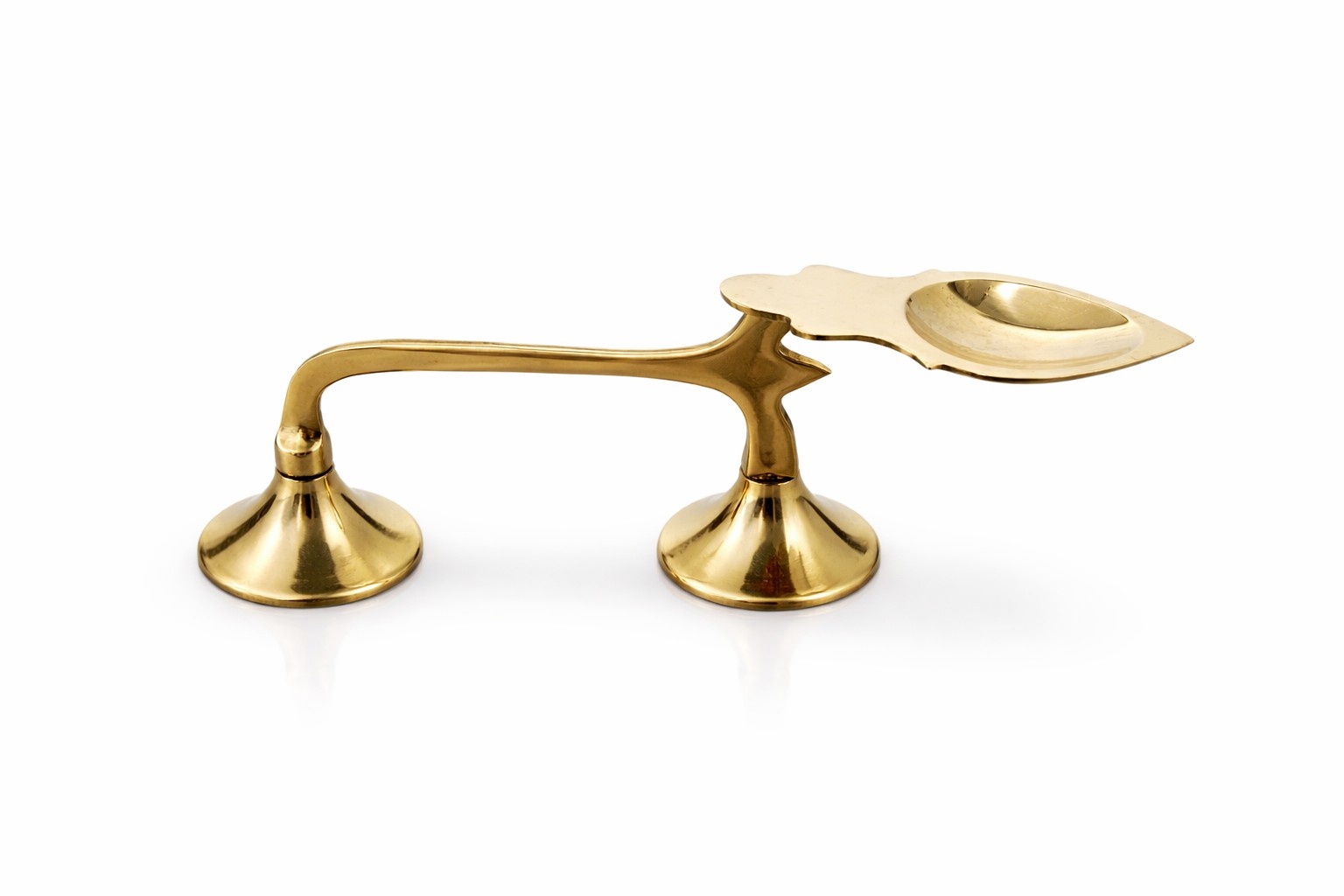
Gocha Aarti, also known as Gau Aarti, is a sacred ritual performed in reverence of the holy cow (Gau Mata), which holds a deeply revered place in Hindu traditions. The cow is considered a symbol of purity, nourishment, abundance, and divine motherhood, and performing Gocha Aarti is believed to bring blessings of prosperity, peace, and spiritual merit.
This ritual is often performed by offering light (aarti), flowers, and prayers to the cow as a gesture of gratitude and respect. It reflects the traditional belief that serving and honoring Gau Mata invites divine grace, harmony, and well-being into one’s life.
Gocha Aarti is commonly performed during special religious observances, festivals, temple rituals, and spiritual ceremonies, especially on auspicious days associated with Lord Krishna and Gau worship.
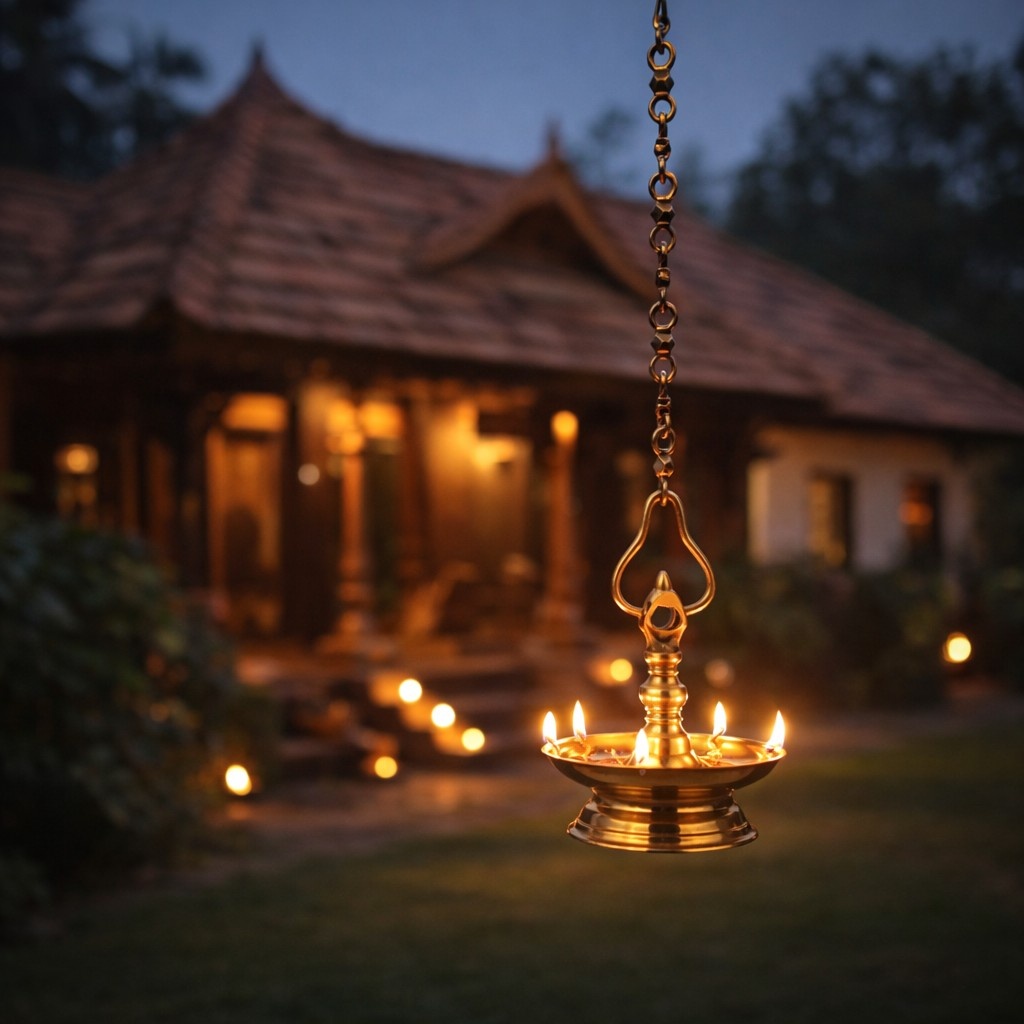
Hanging Lamp (Thooku Vilakku)
The Hanging Lamp (Thookku Vilakku) is a traditional oil lamp widely used in South Indian temples and households as a symbol of light, purity, and divine presence. Crafted in a classic design and suspended by chains, this lamp brings an elegant and sacred charm to pooja rooms, temple spaces, and home entrances.
Lighting a hanging lamp during prayers and special occasions creates a serene and spiritually uplifting atmosphere. The gentle glow of the flame symbolizes the removal of darkness and the arrival of divine light, knowledge, and positivity.
Traditionally hung in pooja rooms, verandas, or temple spaces, the Thookku Vilakku is often lit during daily prayers, festivals, and auspicious ceremonies, making it an important part of devotional practices in many homes.
Kalash
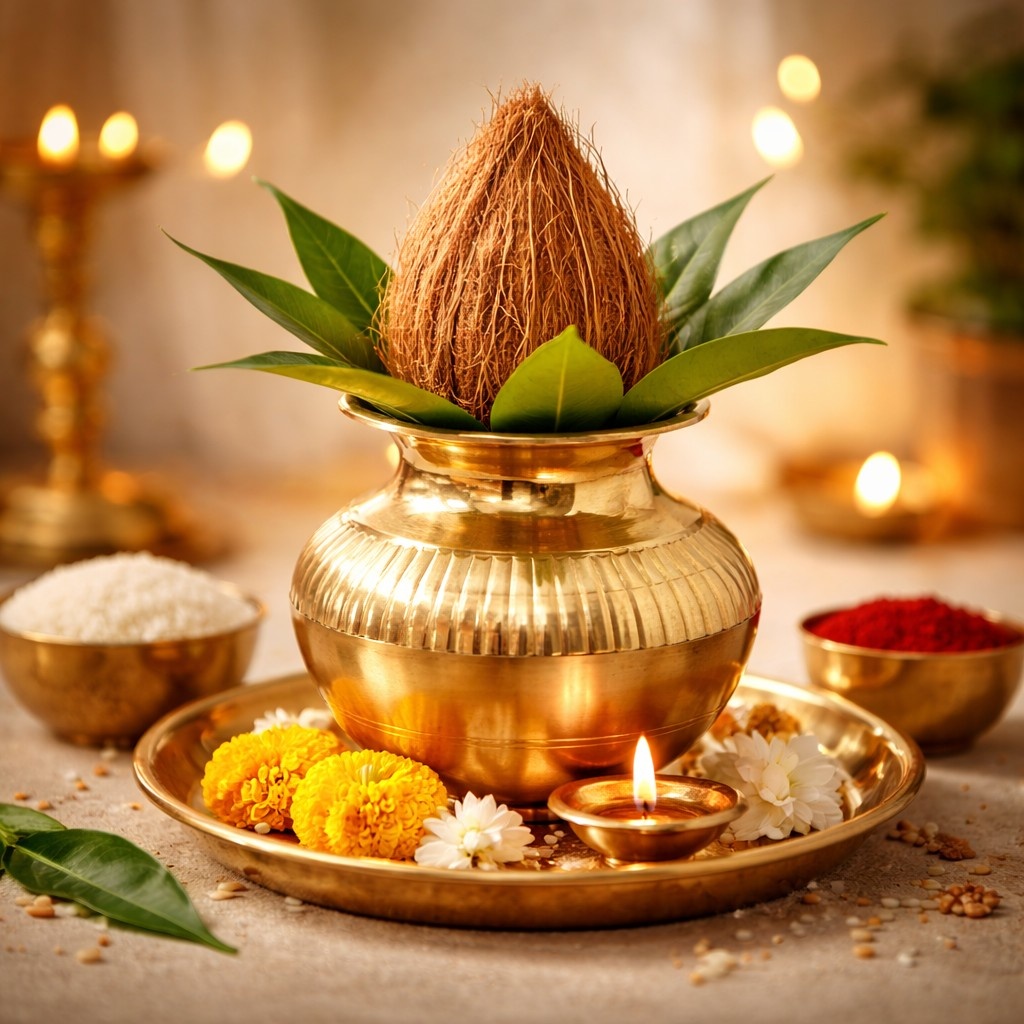
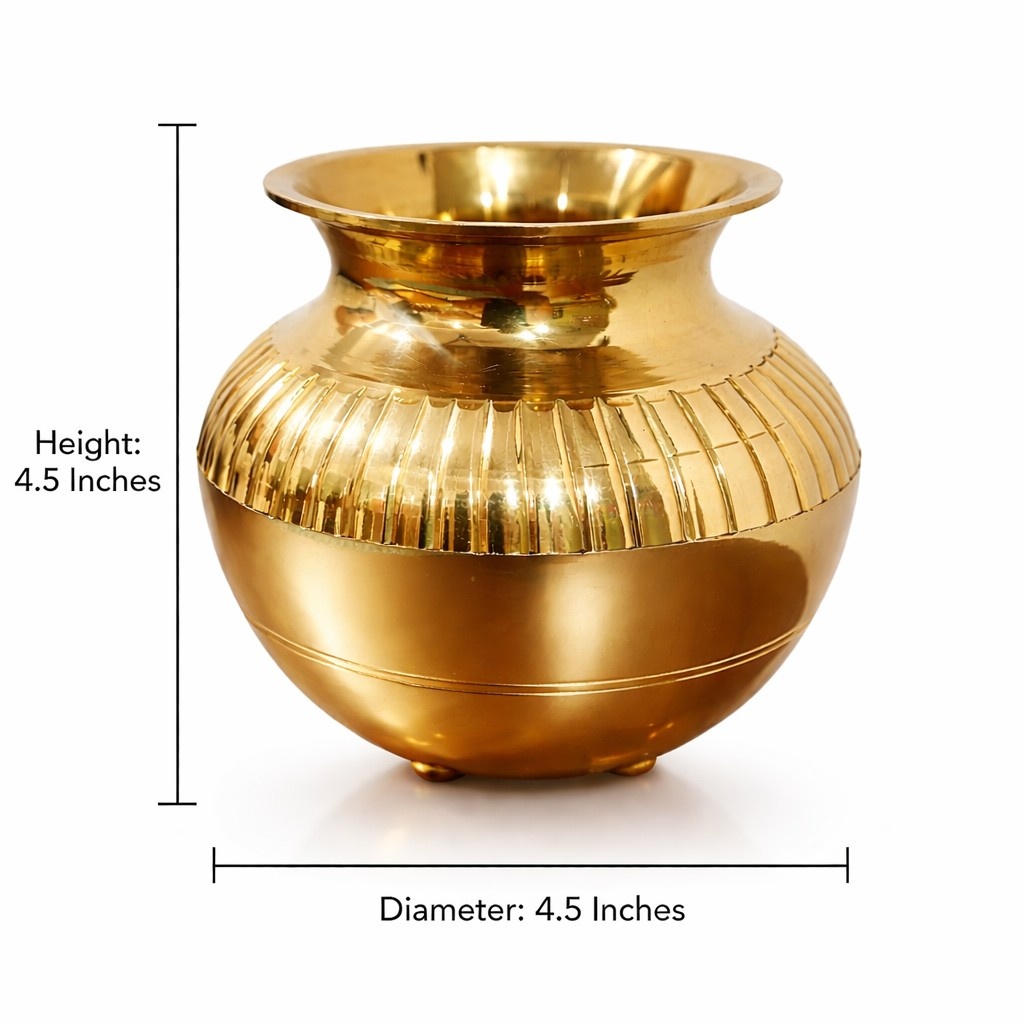
The Brass Kalash is a sacred vessel widely used in Hindu rituals, pooja ceremonies, and temple traditions. Traditionally filled with water, mango leaves, and topped with a coconut, the kalash represents prosperity, purity, and the presence of divine energy during spiritual rituals.
Crafted from high-quality brass, the kalash holds an important place in religious ceremonies, festivals, weddings, and auspicious occasions. It is commonly used in rituals such as Kalash Sthapana, Navratri pooja, housewarming ceremonies, and temple worship, symbolizing abundance and sacred blessings.
The elegant golden tone of brass enhances the sanctity of the ritual arrangement while reflecting the rich heritage of traditional Indian worship practices.